Public speaking and Presentation skills
~20 min · Beginner
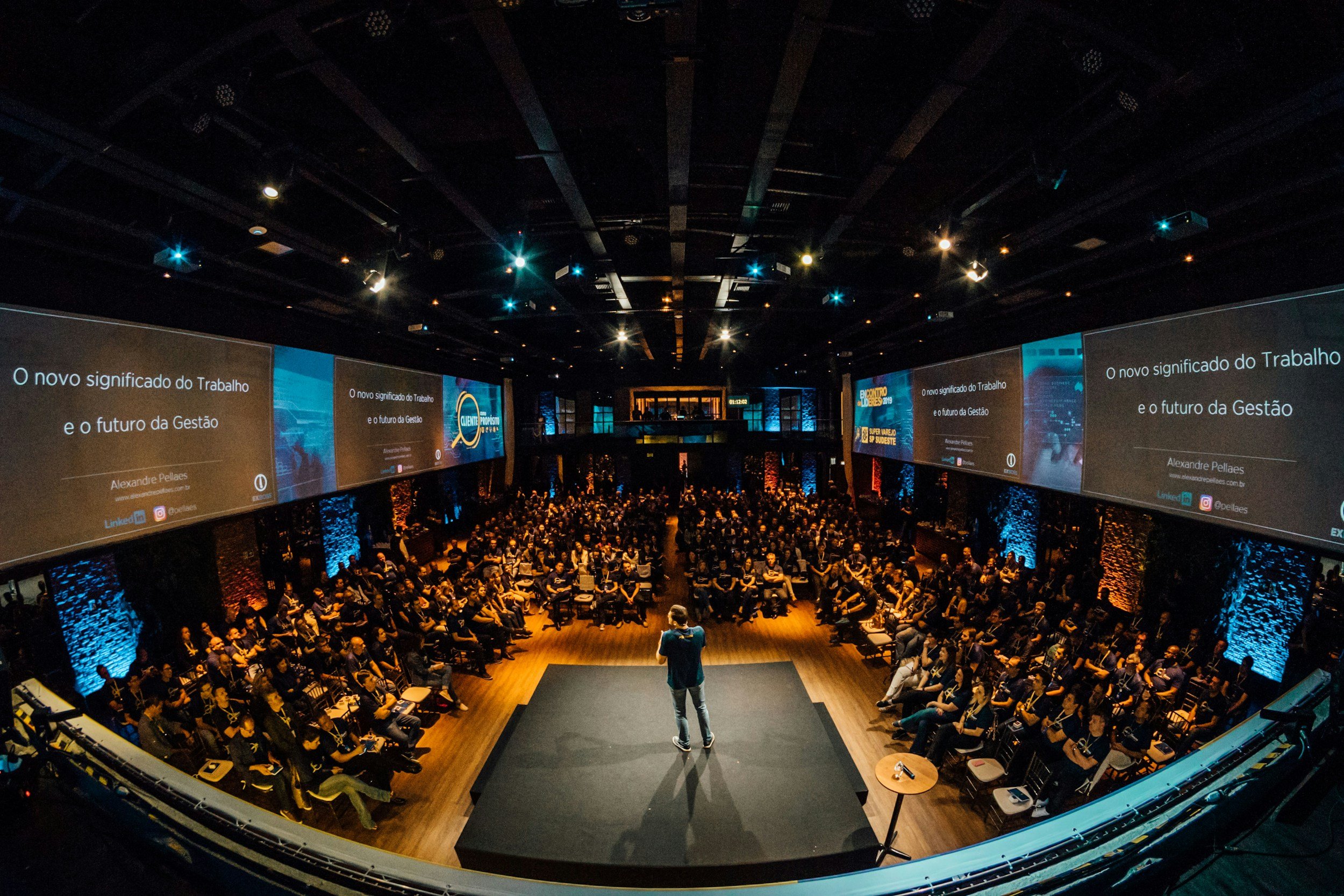
In this lesson, you will learn the basics of how to turn raw information into persuasive, memorable stories that drive real action. This includes the differences between Public speaking and Presentation skills, how to structure a clear, high-impact message and master physical and vocal techniques to project confidence and command any room, as well as tips and tricks to present yourself with purpose in any situation.
Before you continue, please familiarise yourself with our Pitching lesson, as this will only build upon that foundation.

Public speech vs Presentation
While both skills involve communicating a message directly to an audience, there is a difference in core purpose, room dynamics, and primary tools.
Public speaking focuses on impact, presence, and emotional connection, aiming to inspire, influence, or entertain a broader audience through narrative flow and vocal delivery. It is typically a one-to-many performance, for example a keynote speech, toast, event opening, or in general where the speaker relies primarily on their own presence, body language, and story rather than external support tools.
Presentation skills emphasise structural clarity, information delivery, and practical alignment, aiming to inform an audience, demonstrate a solution, or secure specific buy-in. Presentations usually occur in smaller, interactive settings - like team updates, sales pitches, workshops, educational settings, youtube content, or board meetings - where visual aids, charts, and structured data play an active role alongside the speaker. This structure can be used in small classroom teaching, more often in guest lectures. Not typically used in education due to the amount of preparation required for the entire teaching module, often coordinating with other teachers.
The message structure is the same for both, but how you execute each part changes depending on your goal. Public speaking is considered successful when the audience felt connected and moved by the message, while presentation skills focus on whether the audience clearly understood the information and knew what concrete decision to make next.
A note on Media training: While it has to do with speeches made in public, Media training is a specialised branch of Public Relations coaching, designed to prepare individuals to represent an organisation, brand, or cause effectively when interacting with journalists and live media outlets such as news, radio, TV, or podcast formats.
Unlike general Public speaking, Media training focuses heavily on message control and composure under pressure. It equips spokespeople with tactical frameworks for crafting clear, memorable statements, managing aggressive or off-topic questions, and utilising "bridging" techniques to acknowledge a challenging prompt while pivoting seamlessly back to core talking points. General presentation and Public speaking skills can help in these situations as well, but when the stakes are higher, proper Media training is highly recommended.

Message structuring
People have been telling each other stories for as long as societies have existed, so unsurprisingly, the most commonly used structure for telling a story - Hook (Introduction, Core Body and Conclusion/Call to Action - stems from Ancient Greece and Aristotle, outlined as a Classical Rhetoric in Poetics & Rhetoric (4th Century BCE).
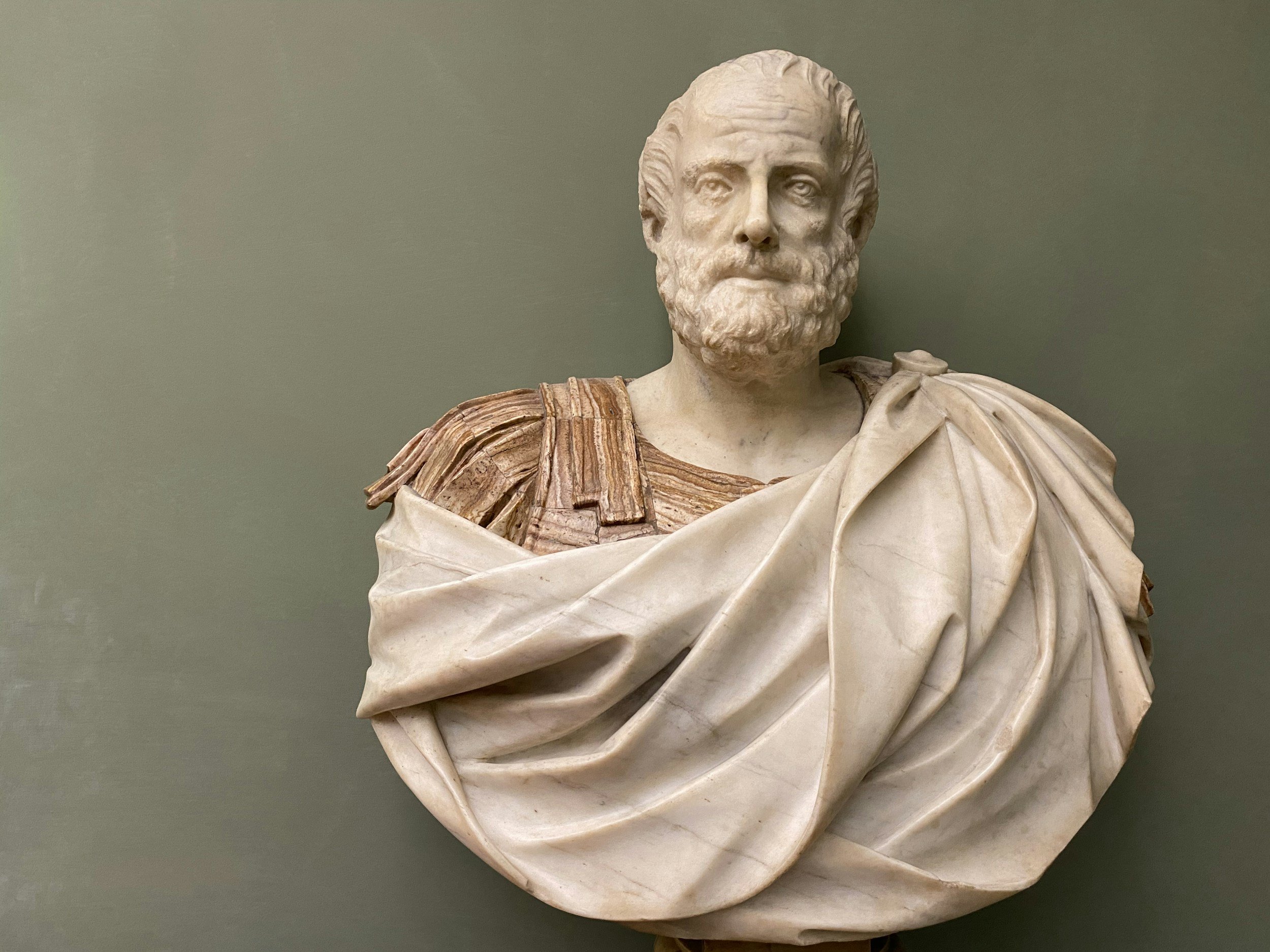
The 3-Part Core Message Framework
1. The Hook Make a statement, share a short story, or ask a question that grabs attention and is directly relevant to your audience or context. Avoid administrative greetings.
2. The Core Body (The Rule of Three) Present your main message through three distinct supporting pillars, logical arguments, or key takeaways to build your case without overwhelming audience memory.
3. The Call to Action Clearly state the next step, required decision, or central takeaway you want your audience to remember or act upon.
How to use the format?
Fill each of the three sections with your own content, then practice speaking each segment out loud with a calm and confident tone, scaling the depth of each part to fit your allocated time. The length of each section will vary depending on whether you are delivering a short presentation about your school assignment, a business update, or a longer keynote speech.
For shorter keynote speeches (10-20min), it’s recommended to use speech cards and have your speech scripted. This can prevent stage fright and having your brain go blank. As you get better at it, or in the case of longer speeches (30min+) you can have scripted only the Hook and Call to Action segments, with some bullet points to guide you through the middle.
If you’re doing a presentation, utilise either scripting or bullet points in the Notes section in whichever presentation software you like to use, to make sure key pieces of information are delivered accurately.
As a beginner, you can use AI tools to help generate creative hooks or condense complex ideas into three clear body points. As with Pitching, there are no shortcuts. You have to practice, practice, practice!
Message delivery
You can have a good message, but your physical presentation, visual tools, and professional conduct will play a critical role in shaping how your audience receives you. Paying attention to the details of from what you wear to how you handle your slides, can either reinforce your credibility or pull focus away from your message.
Visual presence
Your appearance will set the immediate context before you even speak. There are a few general rules:
Business is always safer than Casual, when you’re going to be speaking in front of people. You can be more fun and flashy in keynote speeches, while in Business you want the Presentation to be the focus more than your blazer.
Choose complimentary solid colours over busy patterns that can distort on camera or distract in person. Check out our Video CV lesson on this matter. Consider the Psychology of colours when selecting both your clothing and your presentation colours (+ it’s a good idea to match those).
Ensure clothing and accessories that allow for natural movement so you can comfortably use gestures without feeling constrained. Make sure you practice in your prepared outfit in advance, to make sure everything fits and looks good. Take into consideration standing, movement and sitting in different positions.
Speech and Eye contact
Avoid "lawnmower scanning" across the audience or looking into the distance. Pick one individual, complete an entire sentence or thought while maintaining eye contact with them, and then transition to another person for the next point.
A 2–3 second pause before a key transition allows the audience to digest the point and eliminates filler words (um, ah, like). You can script these into your cards as a reminder to pause.
Keep palms visible, hands at belly-button level, and avoid crossing arms or keeping hands in pockets. If in seated position - hands away from your face, avoid resting your head on your palm, scratching your beard or other movements that impact the way you talk.
Maintain good posture, with your chip elevated for optimal speech projection. Looking constantly down can look unflattering and muffle your voice.
The 4 most common mistakes in presenting and how to fix them
Wall of text
The most common mistake, that the majority of people make is trying to cram as much information as possible, directly into the slides. A wall of text will automatically force the audience to read the screen, instead of listening to you. It becomes even worse of an experience, if you’re not prepared and are reading the slides out loud too, bonus negative points if you can’t read them smoothly. Sometimes shit happens, and you just don’t have time to prepare for a last minute request, but a way out of that is to keep to having graphical elements on screen, while you talk about the topic based on your notes or scripts in the Note section of the presentation, only visible to you.
Bad visuals
Poorly chosen layouts, too many fonts and sizes, uneven spacing, clashing colours and patterns, bad quality images (pixelated, poorly done AI generated, or badly stretched). All of that can distract from the main message. On the contrary - a visually impressive presentation can make your message a lot more memorable, so it’s worth spending time on finding good templates (check our Tools and Resources section), learning the software you like to use, or personalising with subtle animations in the cases where you’re expected to use a company template.
You're the Distraction 1 (Bad form)
Not uncommon, and it happens to everyone, especially in rushed last-minute situations. You missed a deadline, prolonged a barber appointment, had a day where everything feels tight and uncomfortable, or you’re just a very quiet person. The presentation delivery seems unprofessional and boring, making people question your ability and understanding to do the job. Learning how to speak in different room settings and body language is something you need to practice, so be self-aware about yourself. Having an “event emergency kit” in your work bag or at the office can help - some dry shampoo, gel, a few pins, and some travel-size make-up items, razor and wet wipes for dirty shoes can sufficiently mend a situation. If you have a locker, keeping an extra button-up or blazer is even better.
You're the distraction 2 (Trying too hard)
On the opposite end - using too flashy clothing like bright colours, big logos, large or busy patterns, especially when they don’t compliment you (consider Colour analysis theory, + specifics for darker complexions), accessories that make noise during movement, or intense make-up can turn distract the viewers from the data. Depending on the environment dresscode, dressing too formally can also be a distraction. Check this Indeed guide on levels of formality.


In conclusion
Being a good speaker or a presenter is all about learning how to build a structured, repeatable system that honours your audience’s time and attention. Some people are just born orators, but for most of the great examples out there, effective communication is a muscle built entirely through continuous practice.
Here at PoriES we offer opportunities for our Volunteers to get better at presenting, and a low threshold to building a various portfolio of appearances. Send us an email, if you’re interested in developing these skills.